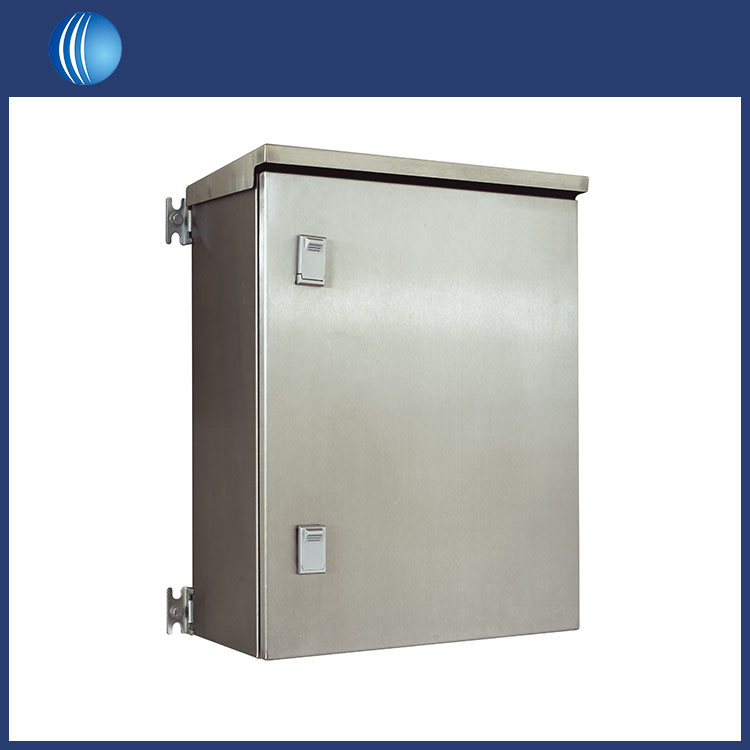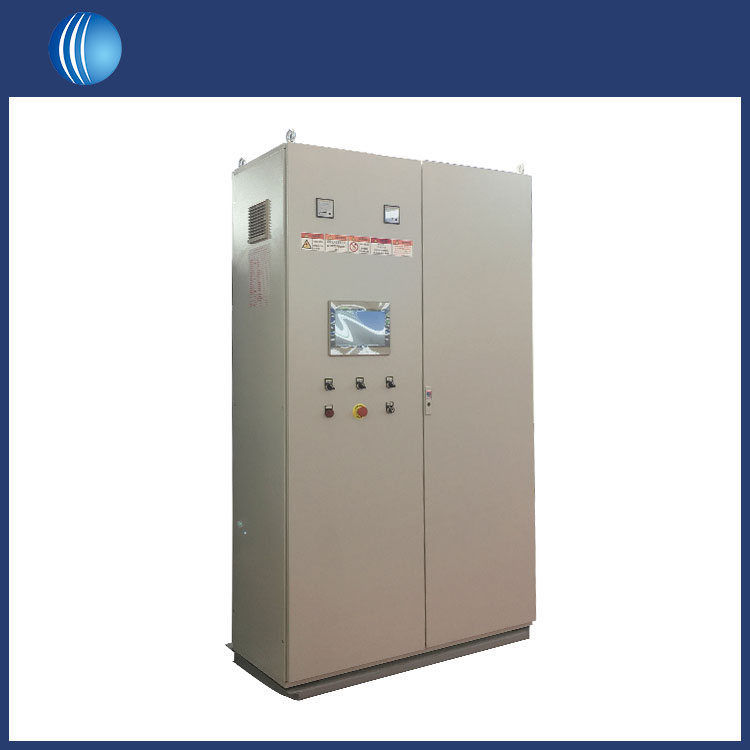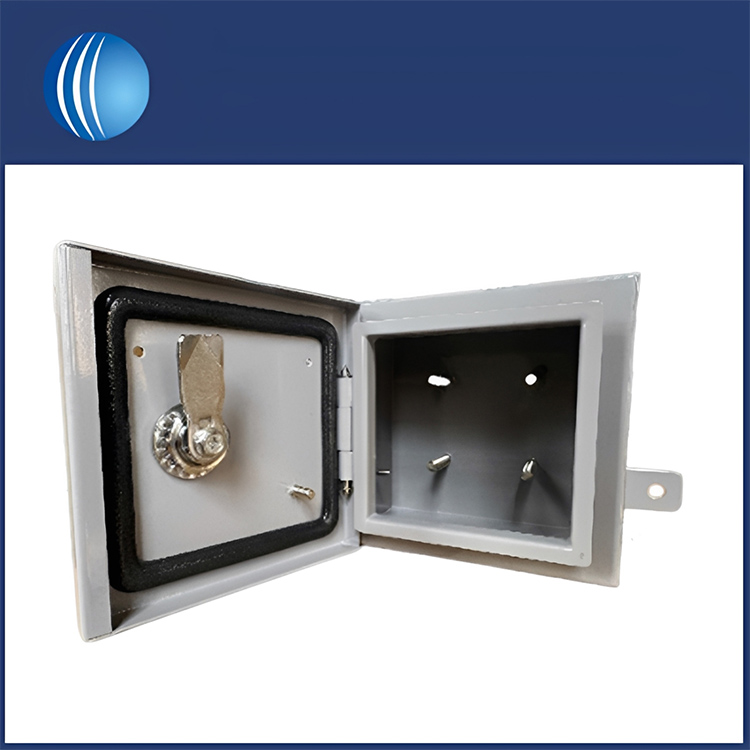
In the engineering landing of industrial electrical control cabinets and outdoor protective cabinets, the material selection is never "the more expensive the better," but rather the priority of scene adaptation, the matching of corrosion levels, and the optimal cost control. Many projects have problems such as half-year cabinet rust, weld corrosion, seal failure, and equipment stoppage.
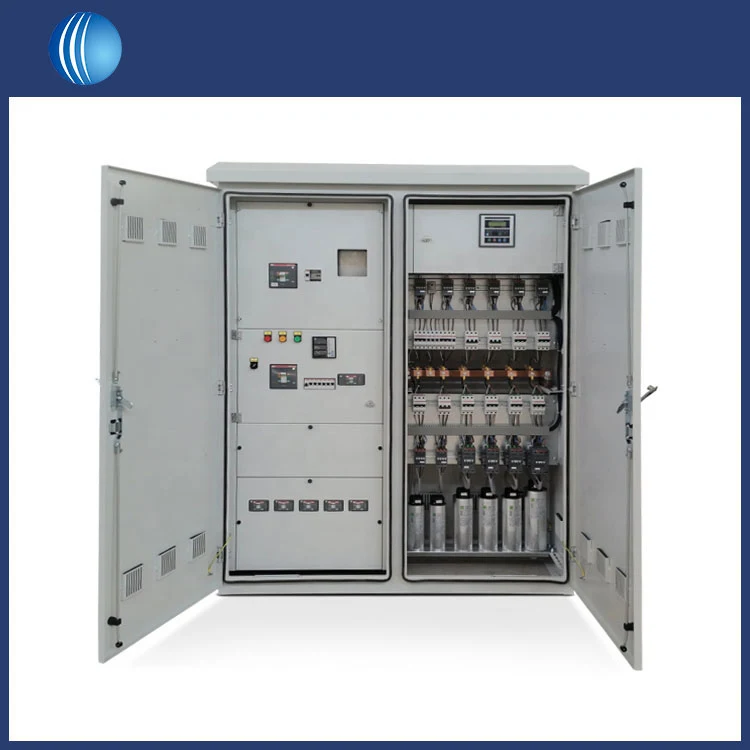
As industrial automation, smart manufacturing and advanced electrical systems keep evolving at a fast pace, the material choice for industrial cabinets now plays a key role in equipment reliability, safety and overall service life. More and more manufacturers in this sector are prioritizing scenario-specific material solutions that strike a good balance between corrosion resistance, mechanical sturdiness, heat dissipation performance and cost-effectiveness.
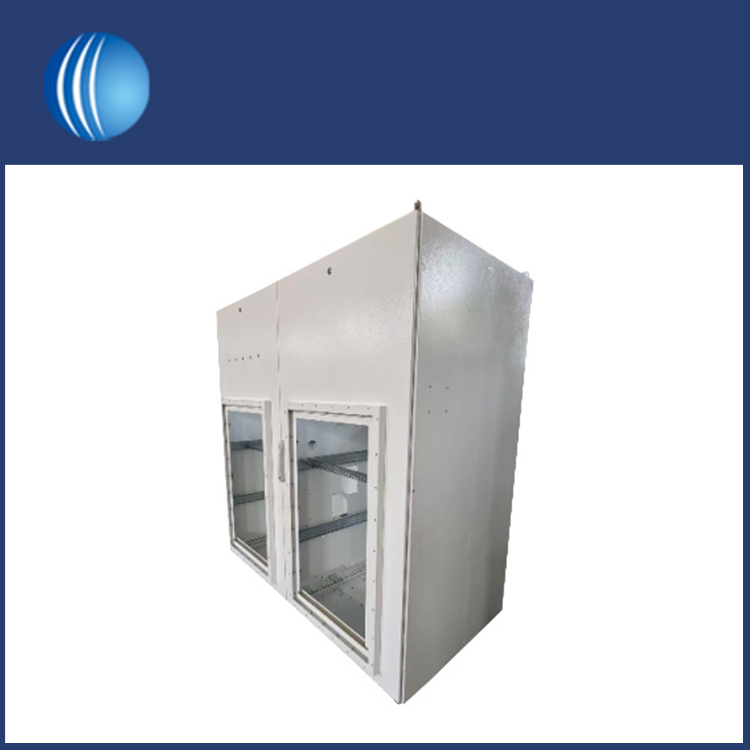
Against the continuous advancement of industrial automation technology, industrial electrical control cabinets have evolved into an increasingly critical core component of factory power distribution frameworks and equipment control systems. For modern factories today, the requirements for such cabinets go far beyond simply accommodating various electrical components.


This article compares single-door and double-door outdoor cabinets from structure, maintenance, sealing performance, cost and application scenarios, analyzing their respective strengths and weaknesses to guide engineers and purchasers in rational cabinet selection for outdoor electrical and communication projects.