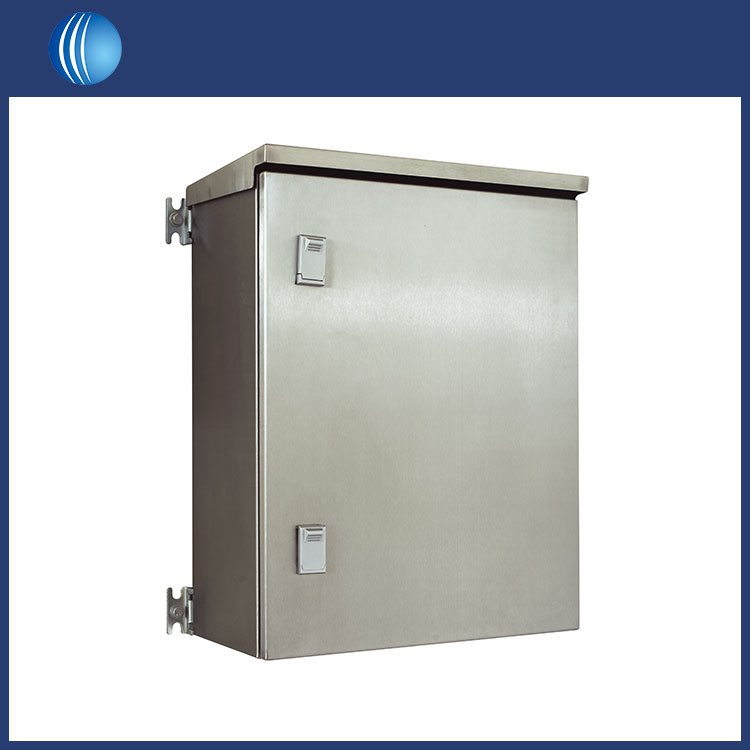
Among various protective solutions, Stainless Steel Enclosures are increasingly recognized as a dependable choice for demanding applications. Their corrosion resistance, structural strength, and adaptability to complex environments make them suitable for a wide range of sectors.

We analyze outdoor electrical distribution boxes from structure, internal layout and protection performance. It explains key advantages of durability, easy installation and weather resistance, providing practical references for power and telecom engineering selection.

Batteries are widely used for energy storage and UPS backup power, and battery cabinets are key protective enclosures. We summarize six core features of premium battery cabinets for your reference: structure, fire safety, shielding, heat dissipation, insulation and workmanship.

The steel plate thickness of distribution cabinet enclosures is a key parameter that determines the structural strength and protection stability of the equipment. Incorrect plate thickness leads to issues: thin steel causes cabinet deformation and sagging, while overly thick plates increase costs and hinder installation. Choose thickness based on usage environment and structure.
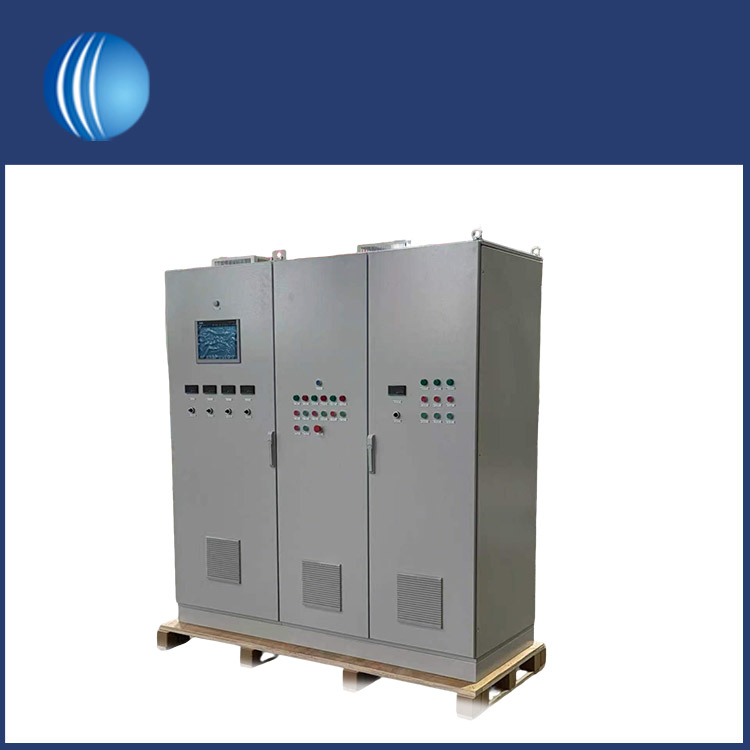
Factories are equipped with various electrical cabinets, among which the PLC Industrial Electrical Cabinet is core equipment. It looks similar to standard power distribution cabinets yet differs greatly in function, just as an industrial mainframe differs from a regular PC.
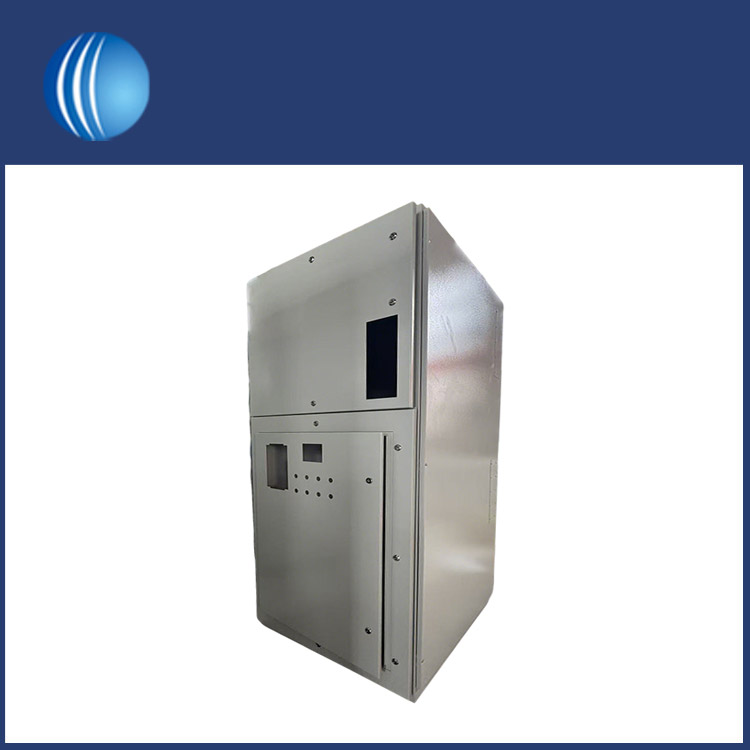
I have been working in the electrical cabinet industry for so long, and at the beginning, I was not very familiar with NEMA rating. Why do North American customers insist on recognizing this standard. After carefully studying, I realized that this is not just about "getting certified", but a microcosm of the century long standardization of the American electrical industry, full of stories of industry professionals trying and summarizing step by step.