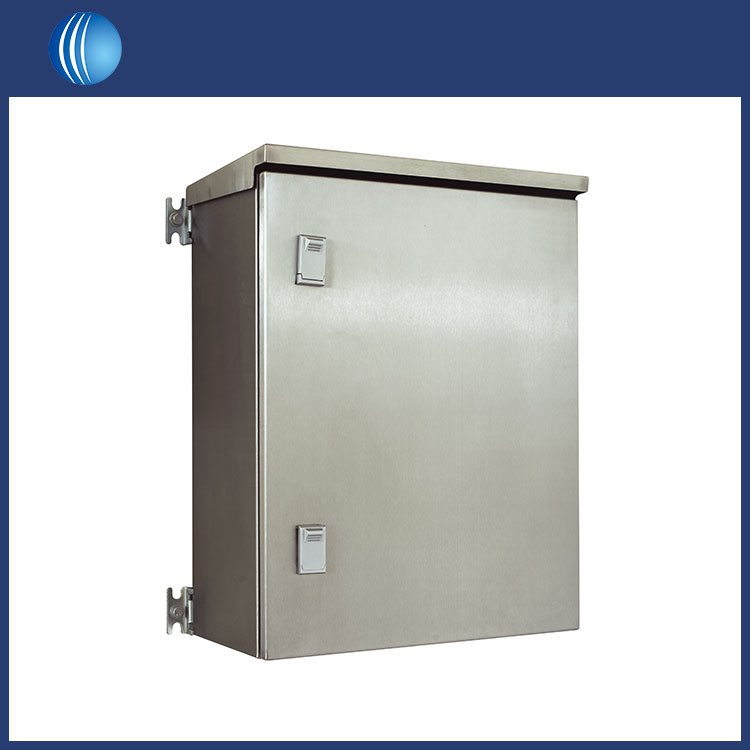
Against the continuous advancement of industrial automation technology, industrial electrical control cabinets have evolved into an increasingly critical core component of factory power distribution frameworks and equipment control systems. For modern factories today, the requirements for such cabinets go far beyond simply accommodating various electrical components — they need to deliver flexible internal layouts, stable and reliable protection performance, more convenient maintenance operations, and stronger adaptability to a wide range of different production and operation scenarios.
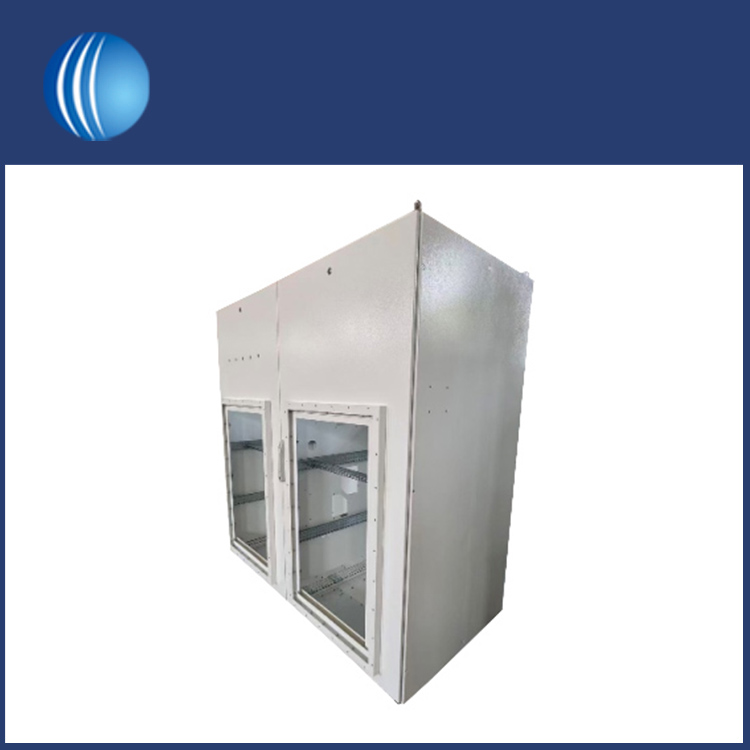
Industrial automation systems typically integrate a full range of electrical components including circuit breakers, PLCs, frequency converters and sensors. As these systems grow increasingly sophisticated, cabinet designs with fixed internal layouts will create tangible obstacles for on-site wiring, routine maintenance and subsequent functional upgrades.
For this reason, modular internal structures and adjustable mounting rails are receiving greater attention. These designs allow electrical components to be arranged according to different project requirements and make it easier for technicians to modify or expand the system later.
Industrial control cabinets are often deployed in production workshops where dust, moisture, oil fumes and other pollutants are pervasive. For this reason, proper enclosure protection performance stands as a key priority when you select electrical cabinets for such working conditions.
IP-rated cabinets can help protect internal electrical components from environmental exposure. However, the required protection level should be selected according to the actual installation conditions. Indoor workshops, outdoor installations and high-humidity environments may require different enclosure designs.
Cabinet construction is also important. Cold-rolled steel, protective powder coating, sealed doors and reinforced structures can provide practical protection for industrial applications.
As electrical systems become more complicated, convenient maintenance is becoming an important factor in cabinet design. Observation windows can allow operators to check internal components without opening the cabinet, while organized internal layouts can make inspection and troubleshooting easier.
Separating power circuits from control circuits is another approach used in industrial cabinet design. It can help improve wiring organization and make maintenance more convenient, particularly in automated production lines and factory power distribution systems.
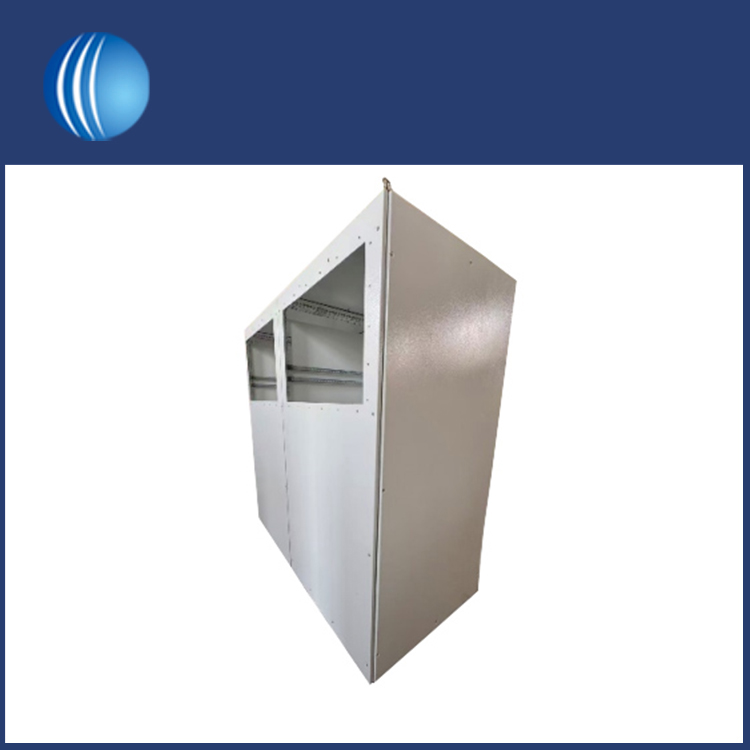
Industrial projects often have different requirements for cabinet dimensions, cable openings, internal layouts and component installation. Standard cabinets may therefore not always provide the best solution.
Customized electrical control cabinets can be designed according to the specific requirements of power distribution systems, steel production lines, machinery manufacturing plants and factory automation projects. For overseas industrial projects, customization can also help cabinets better match local installation conditions and existing electrical systems.
The development of industrial automation is changing the role of electrical control cabinets. Instead of simply providing a metal enclosure, manufacturers increasingly need to consider structural design, electrical component arrangement, protection, installation, maintenance and future expansion as a complete solution.
Manufacturers with sheet metal fabrication capabilities, customized production experience and quality control systems can respond more effectively to different project requirements.
Overall, modular design, appropriate protection, organized wiring, easy maintenance and customization are becoming important trends in industrial electrical control cabinet development. As factories continue to adopt automation and modern power distribution systems, these requirements are likely to remain important for both manufacturers and industrial buyers.