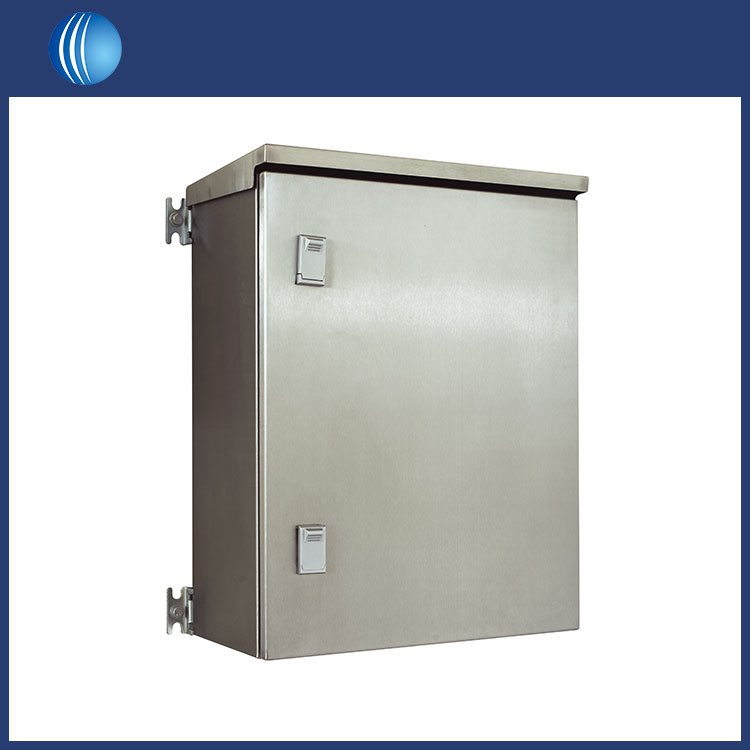
Firstly, wall mounted enclosure offer extremely high space utilization, requiring no ground space, making them particularly suitable for outdoor scenarios with limited ground area and complex. They can be flexibly installed on walls, utility pole brackets, etc., without affecting outdoor traffic or equipment placement.
Secondly, installation is convenient and efficient, requiring no complex ground foundation work; only ensuring that the mounting surface (wall, bracket) meets the load-bearing requirements and fixing it with accessories is sufficient.
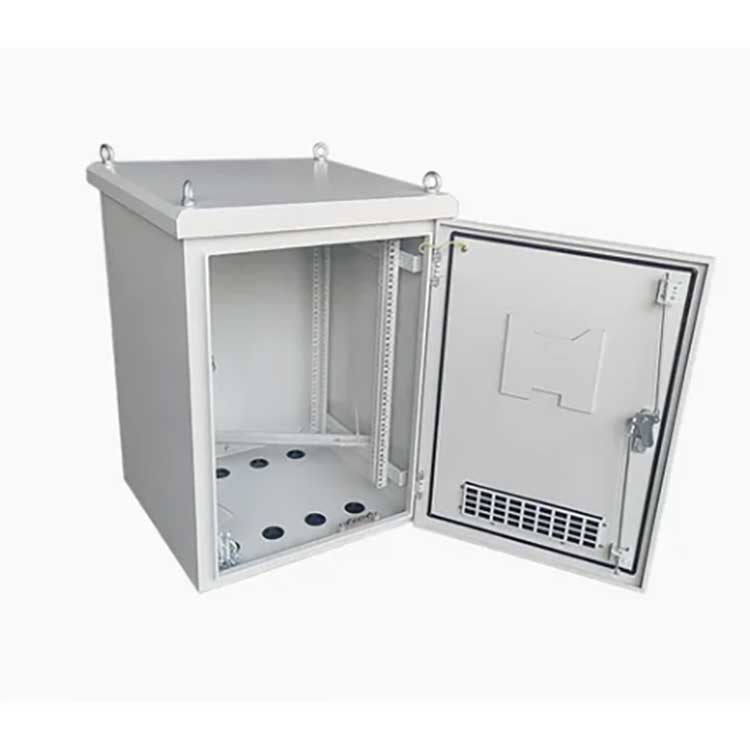
Thirdly, the wall mounted enclosure’s maintenance is convenient; the installation height can be flexibly adjusted, and later inspection and maintenance of internal components do not require digging up the ground or moving large equipment, saving time and effort.
They can also be used outdoors, but they must meet strict protection conditions. The biggest challenges for enclosures in outdoor environments are extreme weather conditions, dust accumulation, moisture, acid and alkali corrosion, and external impacts. Without targeted protection, they are prone to aging and damage, which can then affect the safety of internal components.
Specifically, wall mounted enclosures are suitable for outdoor use only if "protection upgrades are implemented" and they are only adapted to specific outdoor scenarios. Suitable outdoor scenarios mainly include areas with relatively mild outdoor environments, no strong corrosion, and no extreme temperature differences, and where there are clear requirements for protection.
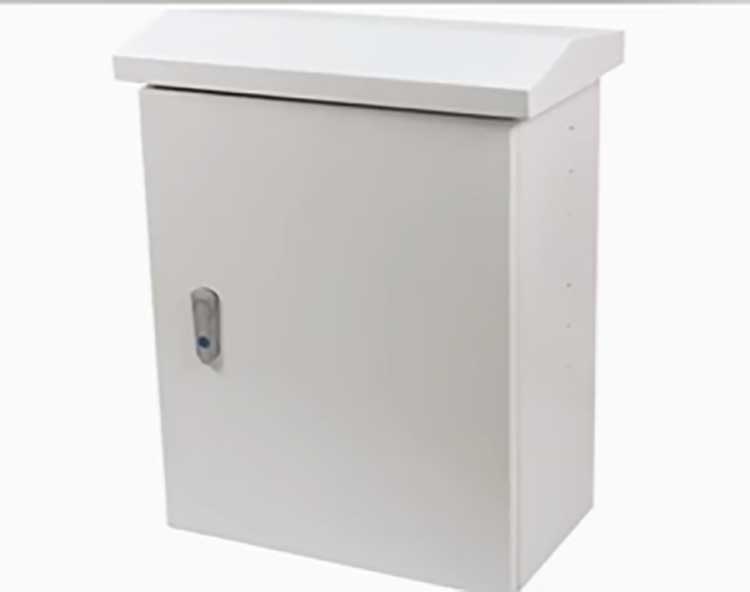
In these scenarios, wall mounted enclosure need to meet the following protection requirements: the material should be stainless steel (304/316) or aluminum alloy, with anodizing and anti-corrosion surface treatment to resist moisture and rust; the protection level should be increased to IP54 or higher, providing good dustproof and waterproof performance; sealing strips and rain eaves should be added;for high-temperature scenarios, materials with good thermal conductivity should be selected, or heat sinks should be added; for lightning strike scenarios, grounding devices should be installed to prevent lightning damage.