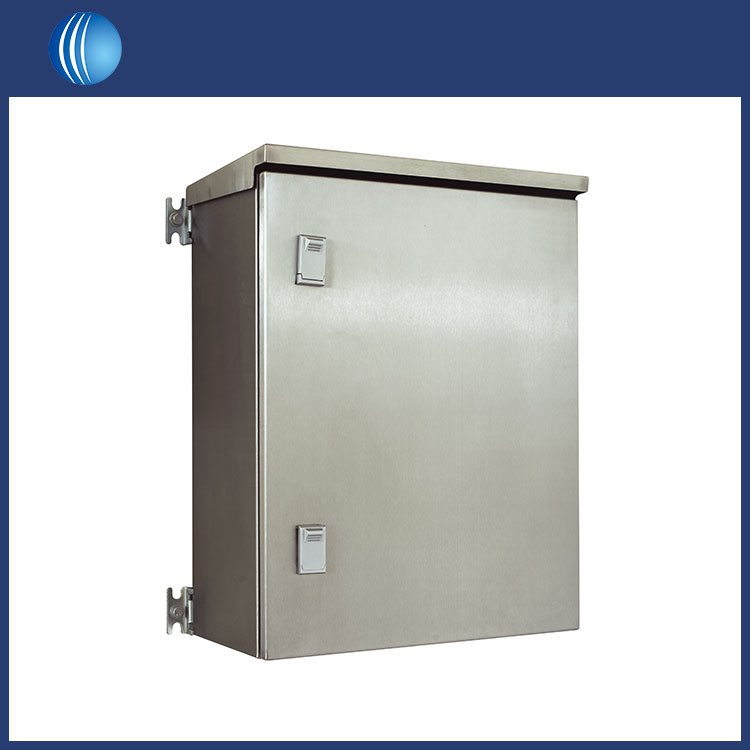
The difference in functional positioning is the most crucial distinction between the two. The GGD control cabinet focuses on low-voltage power distribution and control integration, and is not merely a protective enclosure. It provides stable mounting positions for components such as circuit breakers and contactors, and through standardized internal layout, it enables circuit linkage, power distribution, and signal transmission between components. It serves as the control center of the power system in factory workshops and automated production lines.
Electrical enclosures, on the other hand, are highly specialized, focusing solely on environmental isolation and protection. Their core function is to prevent dust, moisture, and external impacts from damaging internal components. They lack any integrated control capabilities and only function as a "protective shell" for independent components.
Structural design also differs based on functional requirements. GGD control cabinets follow industry standardization norms, with complex and orderly internal structures, equipped with layered mounting beams, standardized guide rails, classified wiring troughs, and grounding bars. Some even have reserved installation positions for temperature control devices. This allows for the orderly arrangement of multiple components and accommodates complex wiring requirements, ensuring both circuit safety and convenient maintenance.

However, prioritize simplicity and practicality. They are mostly made of integrated sheet metal structures and only equipped with basic mounting plates. The design focus is on sealing performance and structural strength, without specialized wiring planning or component partitioning, making them suitable for relatively simple applications.
Application scenarios and performance requirements also differ accordingly. GGD control cabinets are suitable for integrated scenarios such as low-voltage power distribution and equipment linkage control. In terms of performance, in addition to basic dust and water resistance, they must also meet requirements for circuit insulation, wiring standardization, and operational stability. Some scenarios require anti-interference capabilities.
Electrical enclosures are widely used for the individual protection of scattered components, such as field instruments and small circuit breakers. The core performance requirement is the IP protection rating, which only needs to match the scene's dust, water, and impact resistance needs, without considering circuit compatibility.
Customization logic also differs between the two. GGD control cabinets require personalized design based on power distribution capacity, component quantity, and wiring methods; their core value lies in improving the efficiency of electrical system integration. Electrical enclosures, on the other hand, are highly standardized, mostly using general specifications, and only require customized openings and installation methods as needed, providing basic protection at a low cost without additional technical value.

In summary, GGD control cabinets are complex devices combining integration and protection,while electrical enclosures are single protection components. The two should not be confused. When selecting equipment, it is crucial to consider the integration and protection requirements of the specific application scenario to ensure accurate matching and maximize the value of the equipment, guaranteeing the efficient and stable operation of the electrical system.