Shouke® selects lightweight materials for its lightweight design distribution boxes, resulting in smaller size and less space occupation. They are primarily used for circuit management.
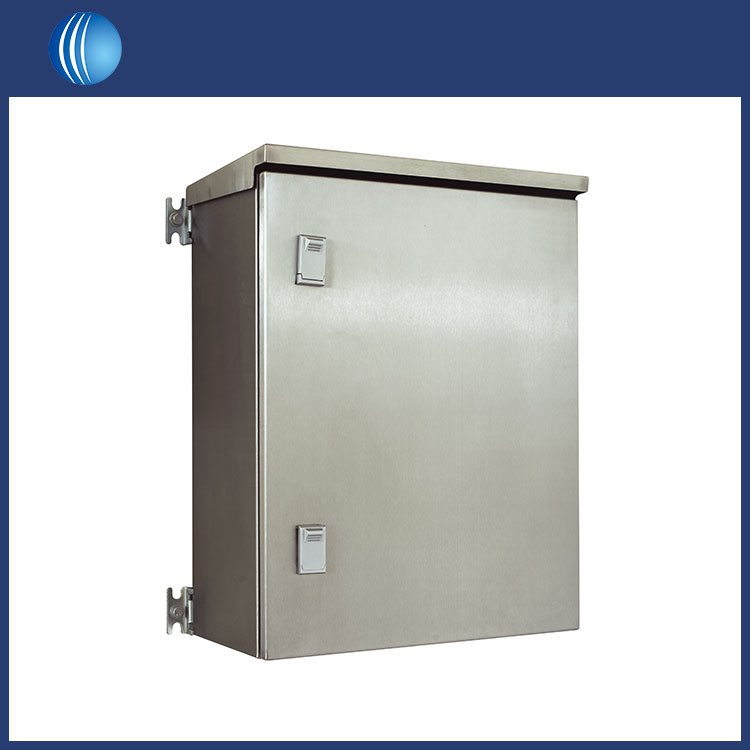
Lightweight design distribution boxes are commonly used for circuit management of different devices in homes or factories. They centralize the control switches of multiple devices in the box to manage circuit distribution in a concentrated manner. SKYT has recently produced a new type of small distribution box enclosure, with external dimensions of 210mm*400mm*500mm, making it convenient for use in narrow spaces.
Specification
210mm x 400mm x 500mm
Powder coat
RAL 9003 Glossy Finish
Material/Thickness
Carbon Steel 1.5mm thick
Opening size
MP GI 2.5MM
IP Rating min
55
Certification
UL508A
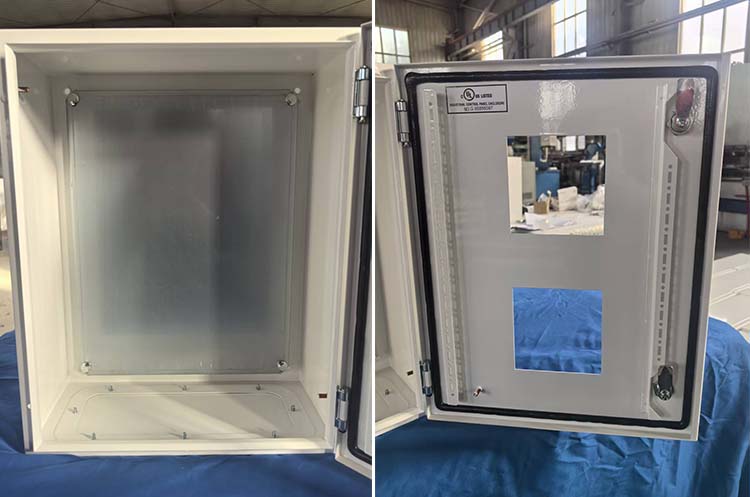
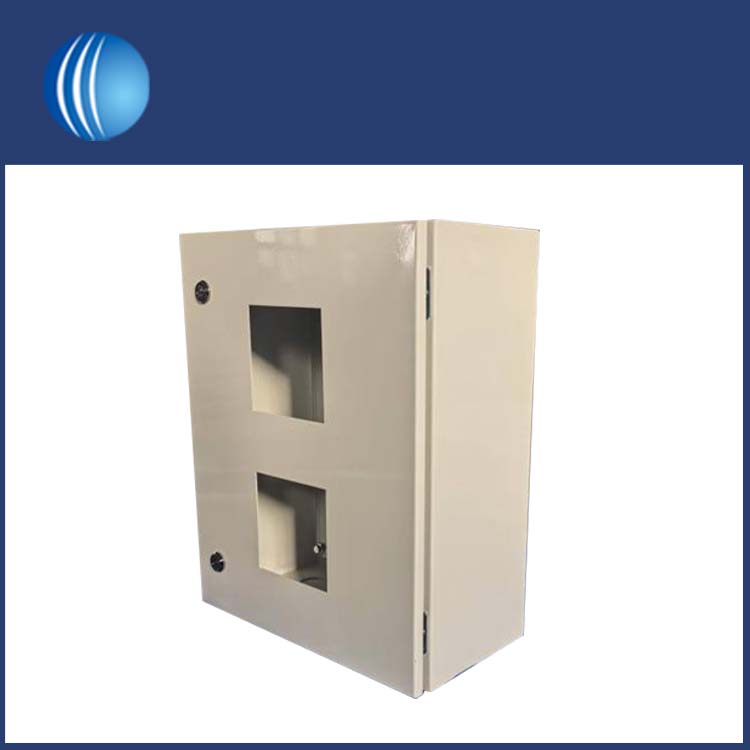
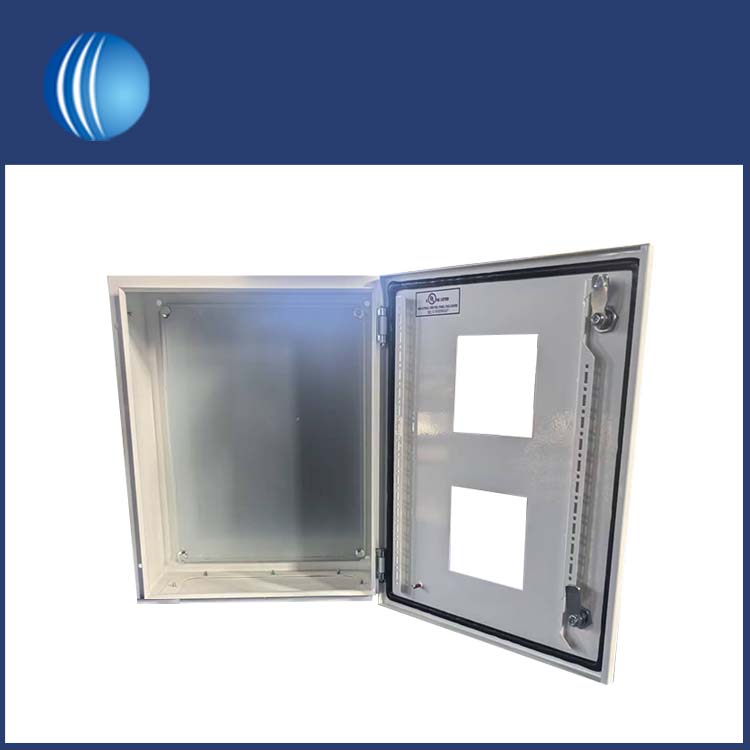
The entire enclosure is made of 1.5mm-thick carbon steel. While ensuring structural strength, it achieves lightweight design, avoiding the "bulkiness" of overly thick materials without affecting the protection level of the distribution cabinet, which can reach IP55. In addition, the lightweight design distribution box has obtained UL certification, which ensures that it complies with international safety standards.
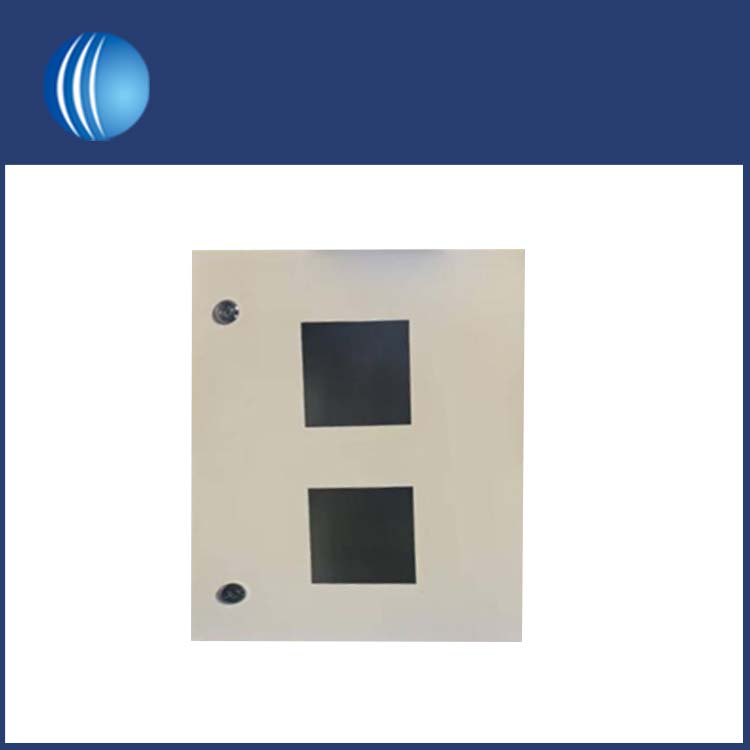
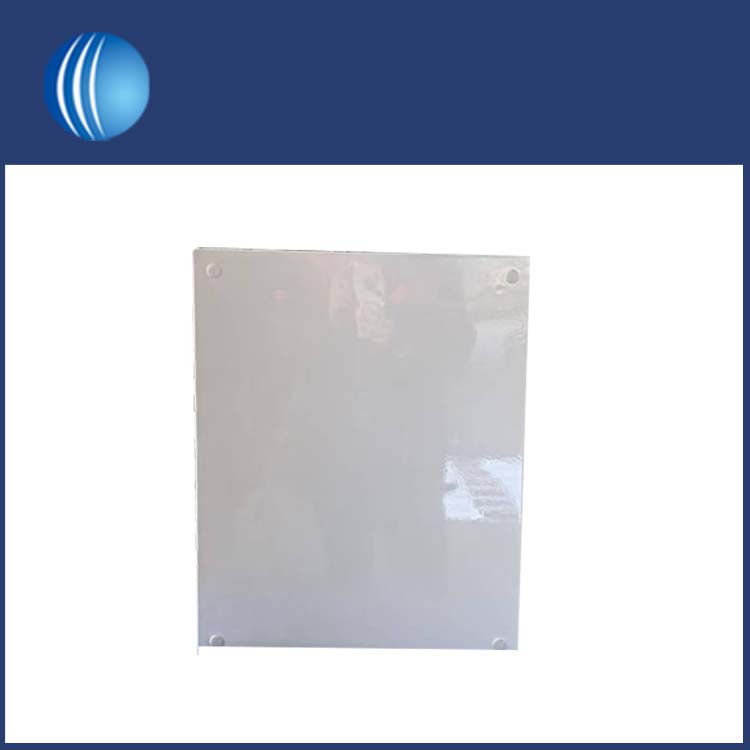
The overall color is white, with a high-gloss spray coating that gives it a very attractive appearance. There are 2 square reserved windows on the surface, and transparent acrylic panels are installed on the windows to protect internal components. This allows viewing of key information without opening the box, improving operation and maintenance efficiency while avoiding safety risks caused by frequent box opening. It also facilitates customers to configure internal circuit components according to their own needs.
Meanwhile, the lightweight design distribution box is equipped with 2 circular locks, which help realize dual-person control. The box can only be opened when both keys are inserted and turned simultaneously. This prevents a single person from randomly operating switches or connecting wires without confirming safety, reduces safety accidents, and improves electrical safety and management standardization from a physical perspective.