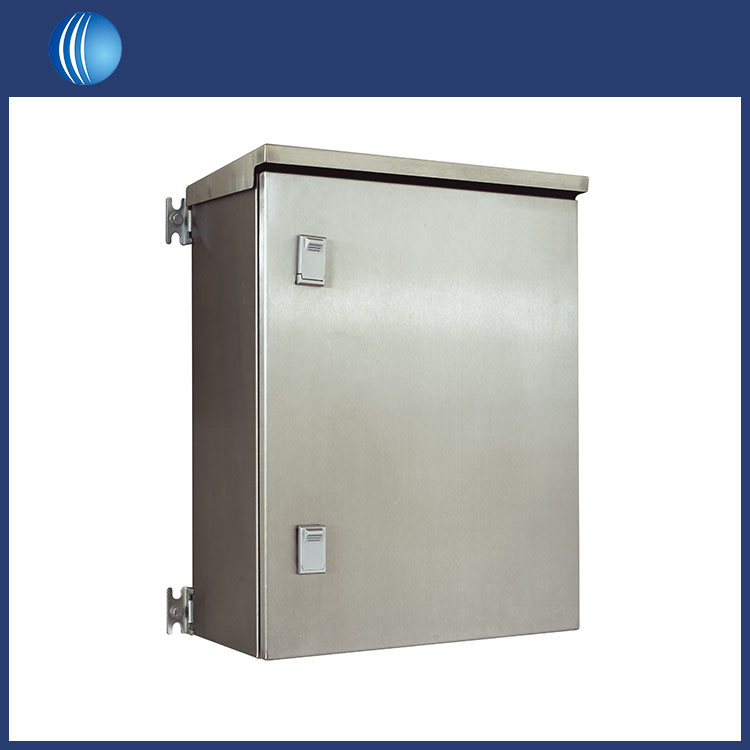
Ordering electrical enclosures or cabinets from China? Start by defining the product type. Then select based on specifications, not supplier catalogs. Electrical enclosures provide passive protection. Electrical cabinets are complete assemblies. The full process should include requirements analysis, supplier screening, contract execution, and production inspection.
An electrical enclosure is a protective box for electrical components. An electrical cabinet is a complete enclosed unit with built-in devices like circuit breakers, contactors, and PLCs. The relationship is container versus container plus internal systems. When ordering from China, final quality depends on clear specifications, verified supplier qualifications, proper factory audits, and accurate alignment with standards like IP ratings.
·Enclosures provide passive protection. Cabinets handle active control and power distribution. Know which one you need before ordering.
·IP ratings typically follow GB/T 4208, which is equivalent to IEC 60529. This standard applies to electrical equipment rated up to 72.5 kV.
·A complete specification should include key details like dimensions, material, IP rating, cable entry method, and component brands.
·Most problems occur during supplier screening, drawing approval, and pre-shipment inspection. Pay extra attention to these stages.
An electrical enclosure is a protective box for electrical components. It keeps out dust and moisture, prevents accidental damage, and protects personnel from electric shock. Inside, you’ll typically find circuit breakers, terminal blocks, or control devices. Common types include wall-mounted enclosures, floor-standing enclosures, and small junction boxes.
·An electrical cabinet is a complete assembly that combines a cabinet with various electrical devices. Structurally, it consists of an enclosure, steel frame, and mounting plates, along with internal components, instruments, monitoring and control devices, and wiring. Inside, it houses switches, protective devices, metering devices, and control devices for different voltage levels.
In short: an electrical enclosure is an empty box. An electrical cabinet is a complete assembly inside that box.
China is a major global producer of complete electrical assemblies. Specialized manufacturers operate from coastal to inland regions. Choosing Chinese suppliers offers several advantages:
·Established supply chain: Domestic sources cover everything from cold-rolled steel and stainless steel to circuit breakers and contactors.
·Custom capabilities: Manufacturers handle non-standard sizes, special cable entries, and custom IP ratings.
·Manageable lead times: Standard units typically ship in 7–15 days. Complex configurations take longer.
·Wide price range: Options from economy to premium fit every budget.
But quality varies across suppliers. Clear specifications are the foundation for preventing disputes, whether you’re ordering empty enclosures or complete electrical cabinets.
·Dimensions and Material: Provide overall length, width, and height. Specify material (stainless steel, cold-rolled steel, or engineering plastic), thickness, and surface finish (powder coating, galvanizing, etc.).
· IP Rating: Specify the IP code (e.g., IP54, IP65). IP ratings follow IEC 60529 (equivalent to GB/T 4208 in China) and measure protection against solids and water ingress.
·Cable Entry Method: Top, bottom, or side entry and exit. Confirm this with the manufacturer early. Otherwise, field installation can become difficult.
·Internal Component List (Cabinets Only): Brand and series for circuit breakers, contactors, relays, and other core devices. Stick with established brands.
·Certifications: Products for domestic use in China need CCC. Exports require CE, UL, or other international marks. Your industry may also require compliance with specific national standards.
·Operating Environment: Indoor clean area, outdoor, coastal salt spray, chemical plant, etc. The environment directly drives material and IP rating choices.
Common Mistake: Higher IP ratings aren’t always better. Better sealing limits ventilation. If internal heat buildup is high, you’ll need cooling fans or air conditioners—adding cost. Match the rating to your actual environment.
Want the manufacturer to install circuit breakers, PLCs, and terminal blocks before shipping? Order an electrical cabinet. The quotation structure, lead time, and inspection process for these two order types are usually completely different.